
grow your investment.
How to Use a Credit Card Wisely: Benefits, Risks, and Best Practices.
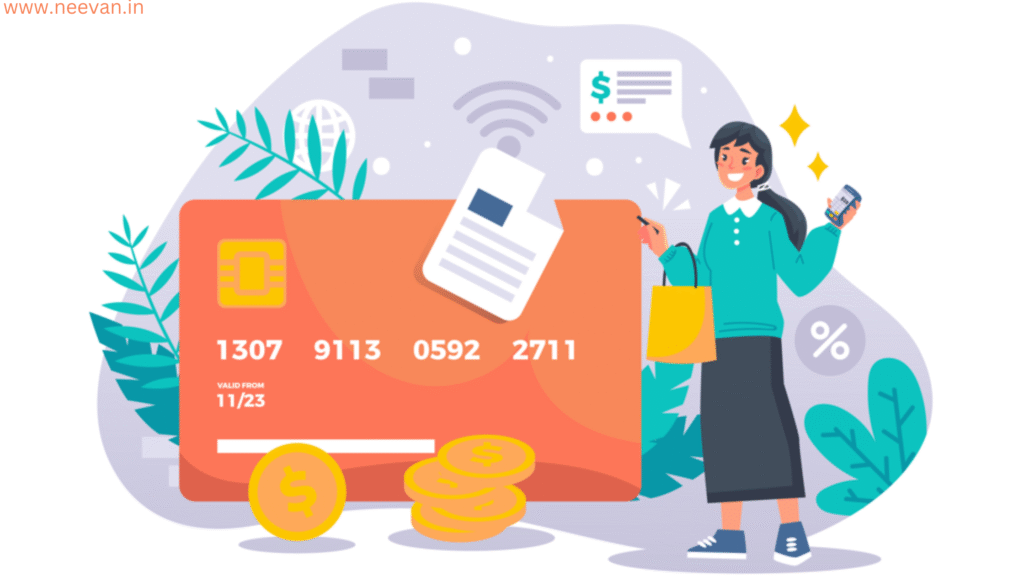
Credit cards are often seen as a double-edged sword. On one side, they provide unmatched convenience, rewards, and interest-free borrowing. On the other, if not used carefully, they can trap you in a cycle of high-interest debt. Many people have heard negative things about credit cards, and in many cases, those warnings are true. However, if used responsibly, a credit card can actually work for you instead of against you.
In this article, we’ll explore:
-
Why credit cards can be harmful if misused
-
What credit rating means and why it matters
-
The key advantages of using a credit card
-
The best practices to manage credit cards smartly
Can Credit Cards Be Harmful?
A credit card can be psychologically deceptive. It makes you feel like you have money, even though you’re actually borrowing it. Unlike a home loan or car loan, which help you buy long-term assets, credit card spending usually goes toward day-to-day expenses, shopping, or entertainment. That means you’re financing short-term pleasures with your future income — a dangerous habit if not controlled.
The bigger issue is interest rates. Home loans usually cost 8–9% annually, and education loans around 10–12%. In contrast, unpaid credit card balances can cost 35–40% interest annually. That’s one of the highest borrowing costs in the financial world.
Many people also fall into the trap of paying only the “minimum amount due”. While this keeps the card active and avoids late payment penalties, the remaining balance keeps accumulating interest month after month. Over time, this snowballs into an unmanageable debt burden, hurting both your finances and your credit score.
Additionally, businesses often pass on the credit card processing fees (1.5–2.5%) to customers. For example, in local markets, shopkeepers may charge extra if you choose to pay by card. This means you might end up paying more than the actual product price.
In short, while credit cards are convenient, careless usage can turn them into financial disasters.
Published September 22, 2025.
What is Credit Rating?
Your credit rating (or credit score) is a measure of how reliably you repay borrowed money. Every time you take a loan — whether it’s for a car, education, home, or through a credit card — banks report your repayment behavior to credit bureaus.
If you pay on time and in full, your credit score improves. A higher score makes it easier to get new loans, often at lower interest rates. On the other hand, late payments, defaults, or overuse of credit cards will reduce your score, making it difficult to borrow in the future.
This is especially important for young professionals and students. Even if you don’t need big loans today, using a credit card responsibly helps you build a strong financial history. That record will benefit you when you apply for car loans, home loans, or even business loans later in life.
Advantages of a Credit Card
Now let’s talk about the shining star of the group, Bajaj Finance, which is the group’s flagship NBFC (non-banking financial company). It is active in the business of lending to retail, SME and commercial sectors. The company has a strong presence in both urban and rural India, accepts public and corporate deposits and offers a wide range of financial services to its customers. So, why is everyone talking about Bajaj Finance right now? The answer is simple: an important board meeting was scheduled on April 29 in which three key corporate actions will be considered.
1. Interest-Free Loan Period
Credit cards give you up to 30–45 days of interest-free credit. For example, if you spend ₹10,000 today, you don’t need to pay it back until the next billing cycle. This effectively works like a short-term, zero-cost loan. If you already have the money, you can even invest it temporarily in short-term instruments and earn small returns.
2. Builds Credit Score
When you pay your credit card bills on time and in full, your credit score steadily improves. A strong score opens the door to higher loan eligibility, better interest rates, and easier approval for financial products in the future.
3. Rewards and Cashback
Most credit cards come with reward programs — from cashback on purchases to airline miles, gift vouchers, or discounts. Over time, these rewards can accumulate into significant savings. For example, frequent flyers often redeem points for free air tickets, while others may convert points into Amazon gift cards or shopping discounts.
4. Convenience and Security
Credit cards are widely accepted, both online and offline. They also offer fraud protection — if unauthorized transactions occur, you can report and reverse them, unlike direct cash spending.
In short, if used wisely, a credit card not only provides convenience but also helps you build wealth indirectly.
What is the Best Way to Use a Credit Card?
The best way to use a credit card boils down to discipline and planning. Here are the golden rules:
Never spend more than you can repay. Treat your credit card as a payment tool, not free money.
Always pay the full bill. Avoid the minimum payment trap at all costs, as it leads to massive interest charges.
Keep utilization low. Try to use only 30–40% of your credit limit. For example, if your limit is ₹1,00,000, stay below ₹30,000–40,000 in monthly spending. This helps your credit score.
Pay before the due date. Use online banking or auto-pay features to ensure your payments are never delayed.
Don’t buy what you can’t afford. If you don’t have the money in your bank account today, don’t swipe your card.
Use rewards smartly. Redeem points or cashback for things you truly need, not just for the sake of spending.
By following these steps, you make the credit card work for you — not against you.
Conclusion
A credit card is one of the most powerful financial tools available today. It can either be your best friend or your worst enemy, depending on how you use it. Misuse can drag you into debt, while responsible usage can give you interest-free credit, rewards, and a solid credit score that helps with future loans.
The key lies in discipline: spend only what you can repay, always pay on time, and use the card as a financial advantage rather than a liability.
If you follow these practices, your credit card won’t just be a piece of plastic in your wallet — it will become a stepping stone toward financial stability and long-term wealth.
Recommended
All Time Plastics IPO Review |
IPO GMP, Analyst Ratings,
Business and more.
All time plastics company that manufactures
plastic consumer goods....
Best Mutual Funds 2025 India:
A Data-Backed Guide.
We spent 7 months analyzing over 1500
mutual funds across 50+ parameters...
How to Create BEST Mutual
Fund PORTFOLIO 2025?
When it comes to building wealth through
mutual funds, one of the most common...

What Are ETFs and Why They
Might Be Better Than
Mutual Funds?
In recent years, the popularity of ETFs
(Exchange-Traded Funds) in India has...

Top AI Stocks in India To watch
in 2025.
In today’s discussion, we will look at the
top five AI (Artificial Intelligence) ...
Related Articles